Corporate risk has evolved faster than corporate security.
In many organisations, physical security and cyber security still operate separately, managed by different teams, using different systems, and often reporting through different leadership structures. Yet the modern threat landscape no longer recognises those divisions. Physical and digital risks now overlap constantly, creating vulnerabilities that cannot be understood in isolation.
For corporate estates, headquarters, and high value environments, security has become far more than the protection of buildings or networks alone. It now requires a complete understanding of how people, technology, operations, and infrastructure interact across the organisation.
The modern attack chain is increasingly connected
The traditional distinction between physical and cyber threats has become increasingly blurred. Attackers are no longer focused on a single point of entry. Instead, they look for weaknesses across the wider operational environment, combining physical access, human behaviour, and digital compromise to achieve their objectives.
A cyber breach may begin with something as simple as unauthorised access to a secure area. Equally, a physical intrusion can quickly escalate into a serious data or network compromise.
Examples seen across modern corporate environments include:
• Tailgating into restricted areas to access sensitive systems or infrastructure
• Social engineering employees or contractors to bypass reception or access procedures
• Using stolen laptops, credentials, or mobile devices to compromise internal networks
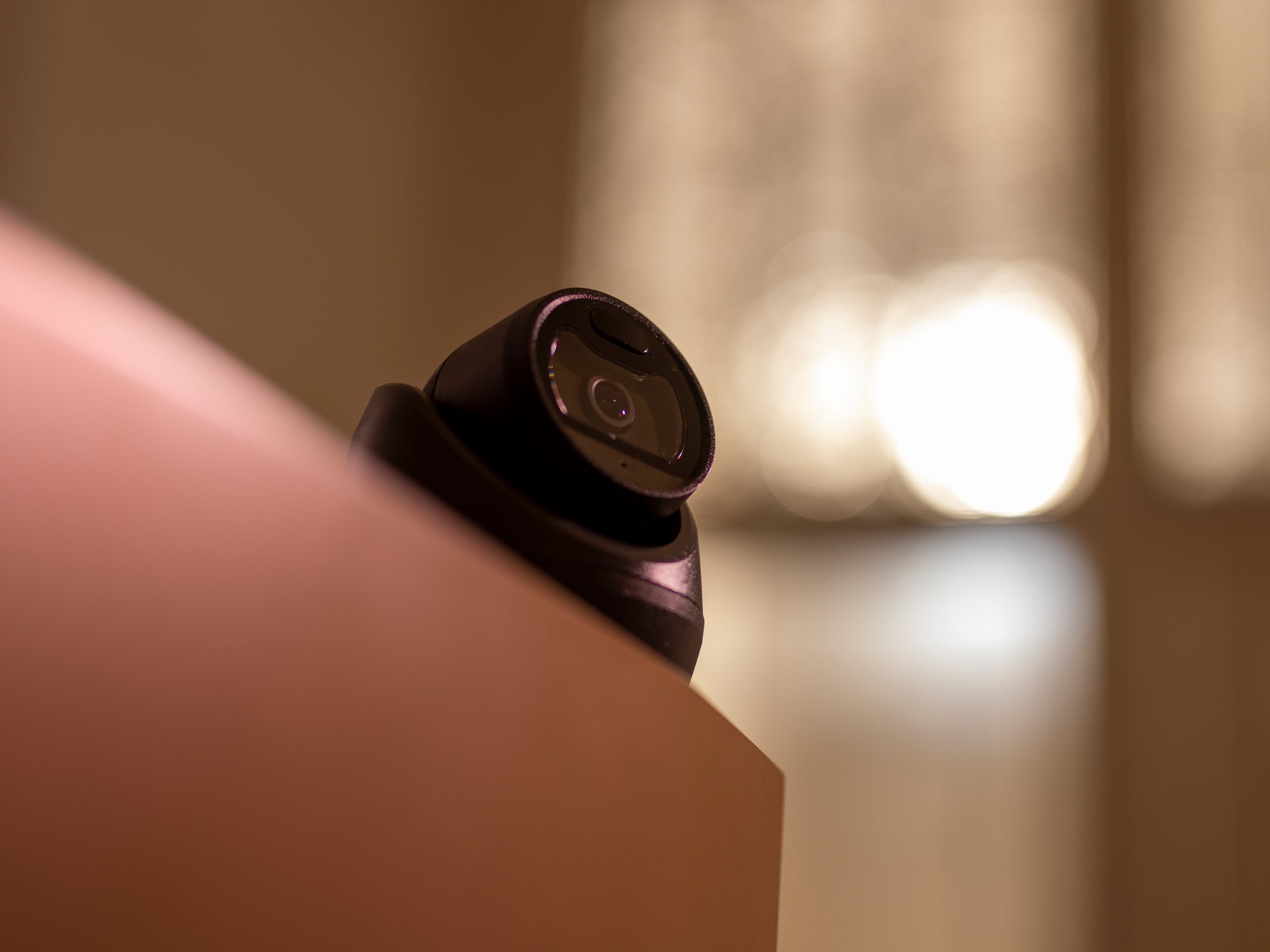
• Exploiting internet connected CCTV or access control systems as gateways into wider systems
• Targeting third party suppliers who maintain both physical and digital access to sites
What makes these threats particularly effective is their ability to exploit organisational separation. Attackers understand that disconnected security functions often create gaps in visibility, communication, and accountability.
Why traditional security models are no longer sufficient
Many organisations continue to treat physical and cyber security as entirely separate disciplines. While each function may operate effectively in its own area, the lack of integration creates blind spots that become increasingly dangerous in a hybrid threat environment.
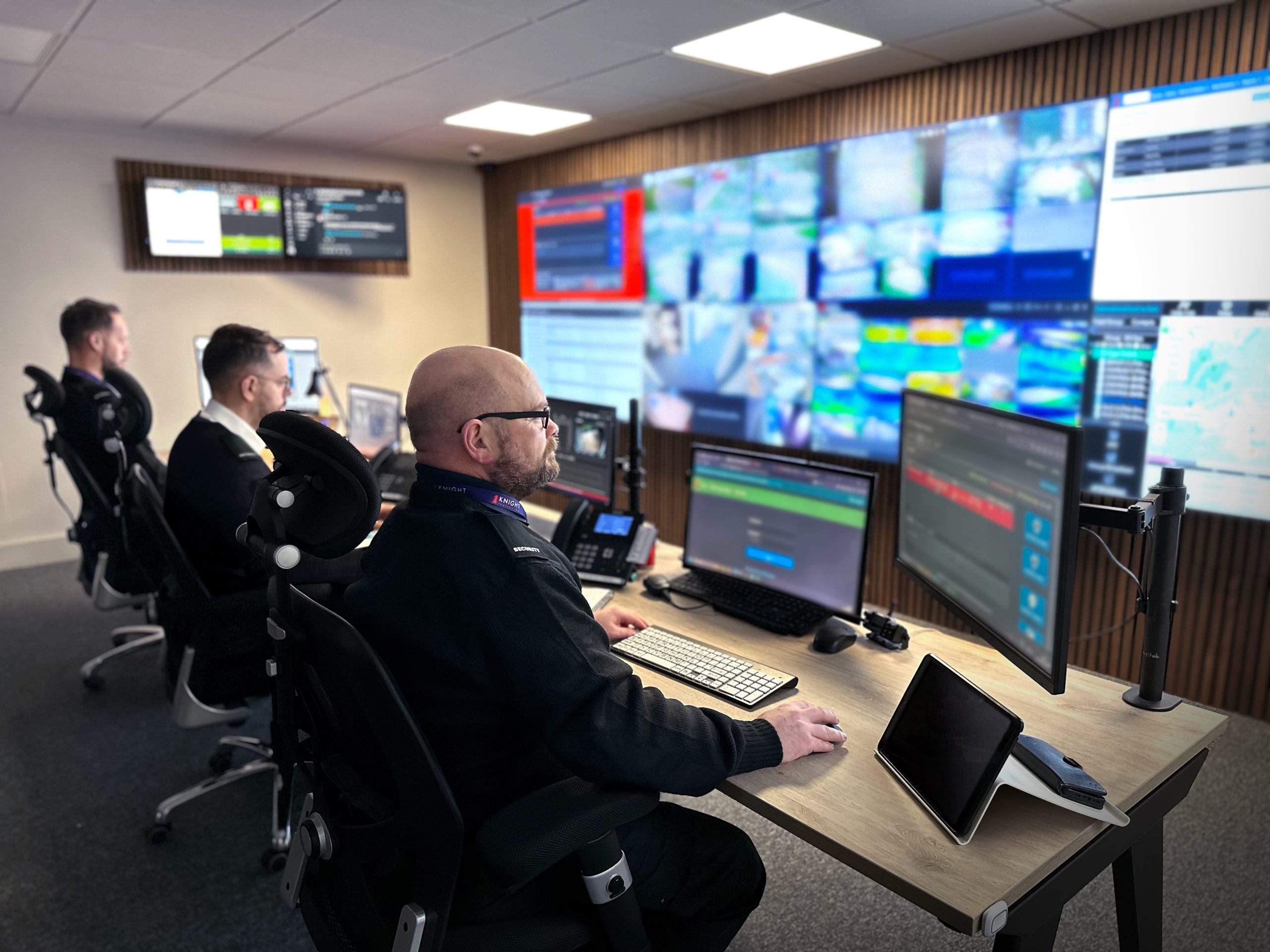
A physical security team may identify suspicious onsite behaviour without visibility of concurrent cyber alerts. At the same time, a cyber security team may detect unusual account activity without understanding who has physically entered the building or accessed sensitive locations.
Viewed independently, these incidents may appear minor. Viewed together, they may indicate a coordinated security threat.
The challenge is not simply technological. It is operational.
Fragmented reporting structures, disconnected systems, and siloed communication can slow response times and prevent organisations from recognising risk patterns early enough to act decisively. For premium corporate environments where operational continuity, executive protection, reputation, and client confidence are critical, this level of separation is becoming increasingly difficult to justify.
A more integrated approach to security intelligence
Forward thinking organisations are beginning to move away from isolated security functions and towards a unified intelligence model that brings physical, operational, and cyber risk into a single strategic framework.
At Knight Protection, we believe effective security depends on connectivity, not separation. Security functions should operate as part of one coordinated ecosystem, sharing intelligence and responding collaboratively to emerging risks.
This approach includes.
Shared intelligence across departments
Security information should flow between physical security teams, cyber specialists, facilities management, HR, and leadership teams. Connecting intelligence sources allows organisations to identify patterns earlier and develop a clearer understanding of emerging threats.
Security incidents rarely remain confined to a single department. Integrated response structures improve communication, accelerate decision making, and help organisations respond more effectively during fast moving incidents.
Combined physical and cyber audits
Modern security reviews should assess how systems, people, and operational processes interact across the wider organisation. The objective is not only to identify vulnerabilities, but to understand how those vulnerabilities could combine to create larger operational risks.
Security now depends on organisational awareness
The role of corporate security has fundamentally changed.
It is no longer defined solely by physical barriers or digital defences, but by an organisation’s ability to maintain awareness across every aspect of its operations. This includes understanding how people move through environments, how information is accessed, how systems connect, and where vulnerabilities may overlap.
As physical and cyber risks continue to converge, organisations that maintain outdated security silos risk leaving critical gaps exposed. Those that adopt a more integrated and intelligence led approach will be far better positioned to strengthen resilience, protect their people, and maintain confidence across every level of the business.